


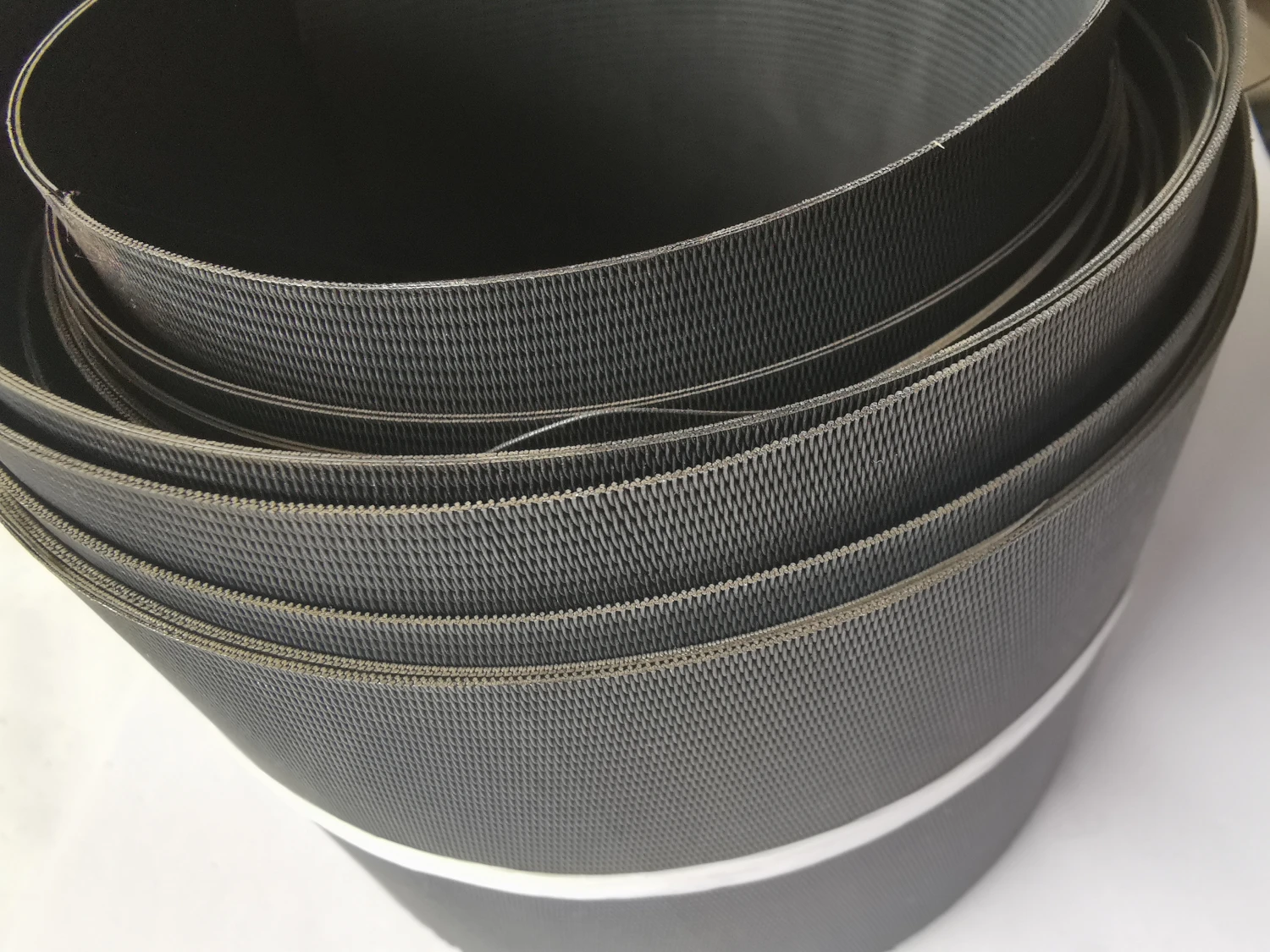
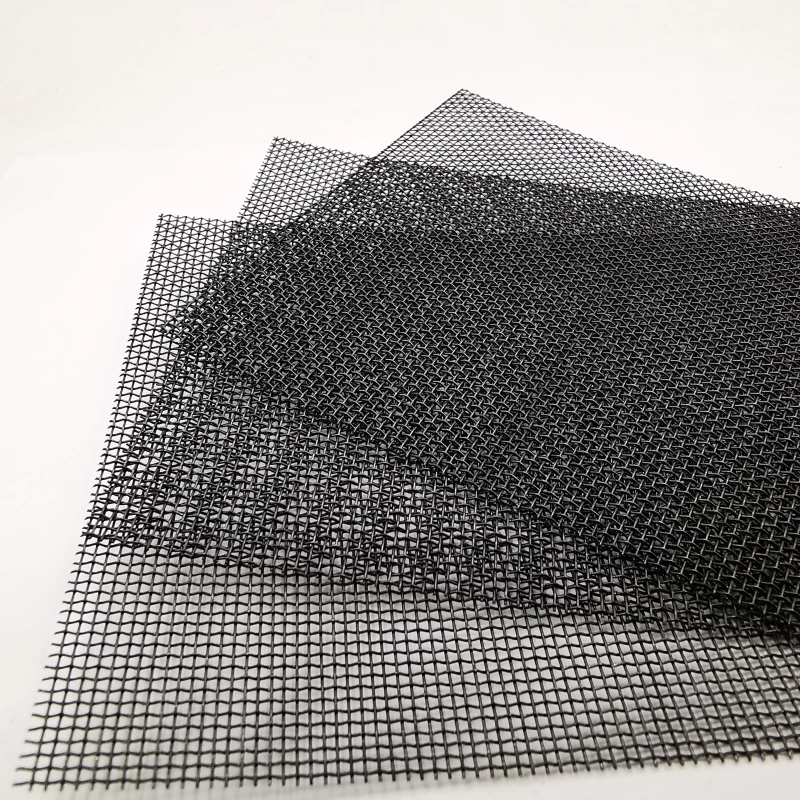
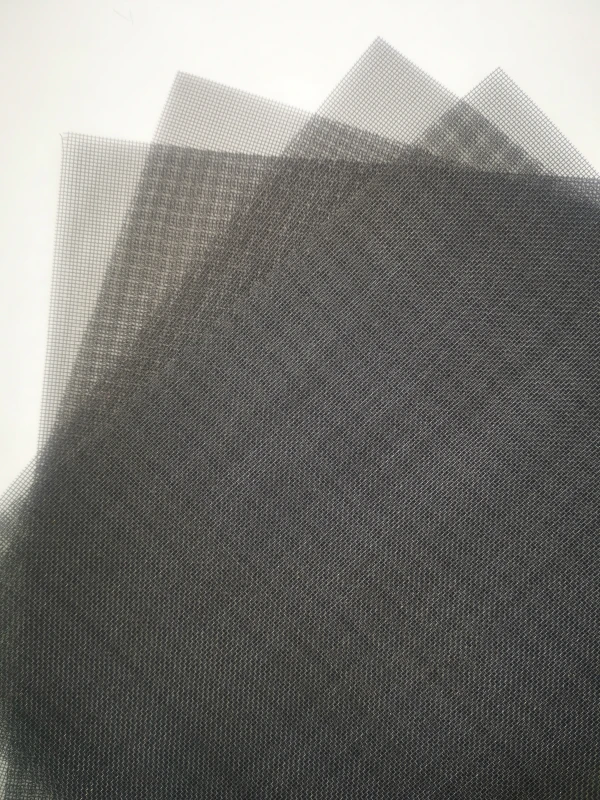
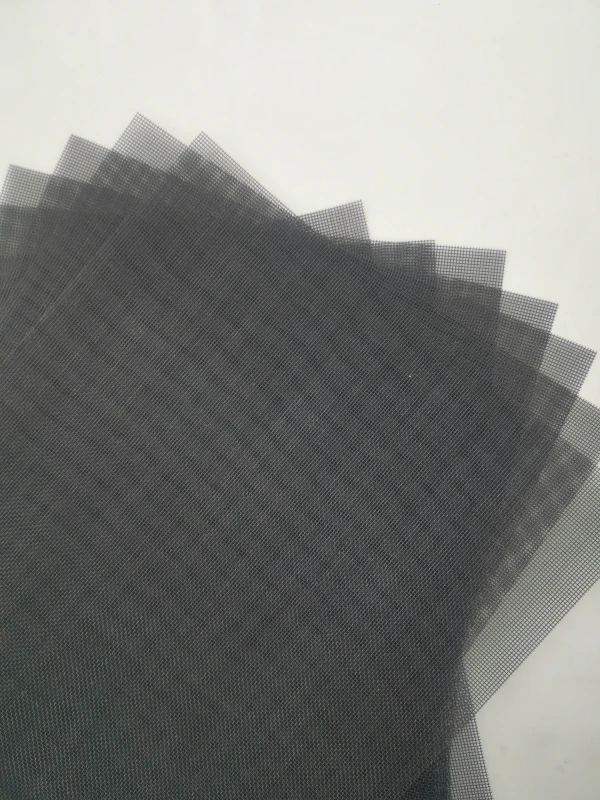

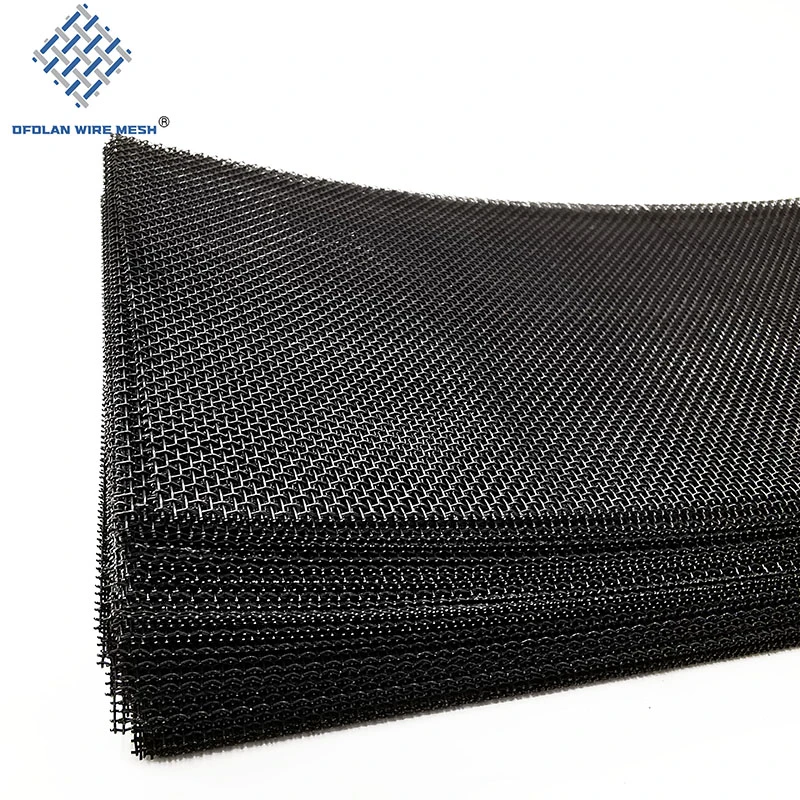
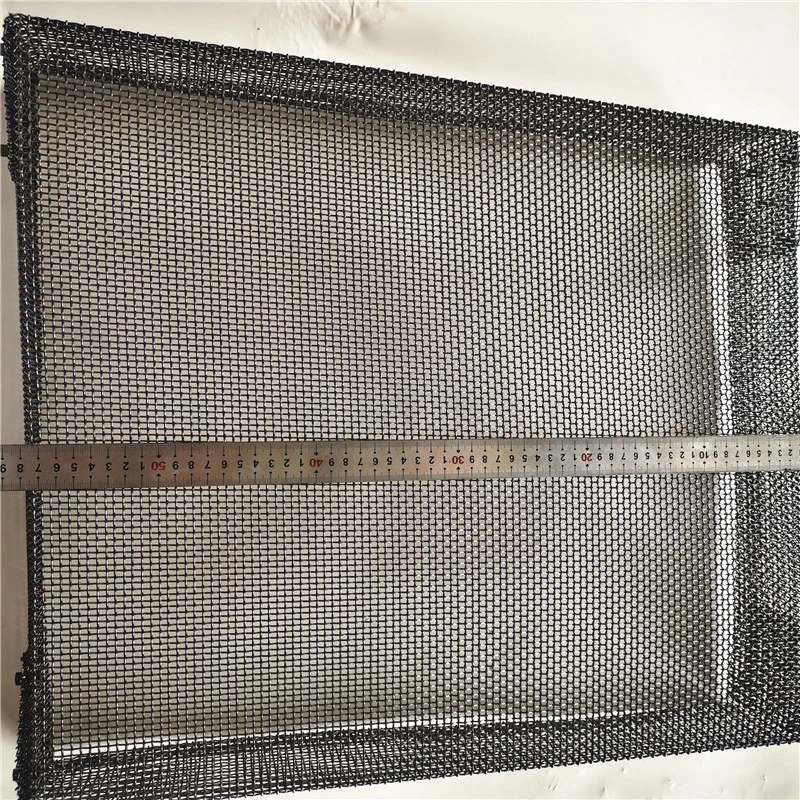
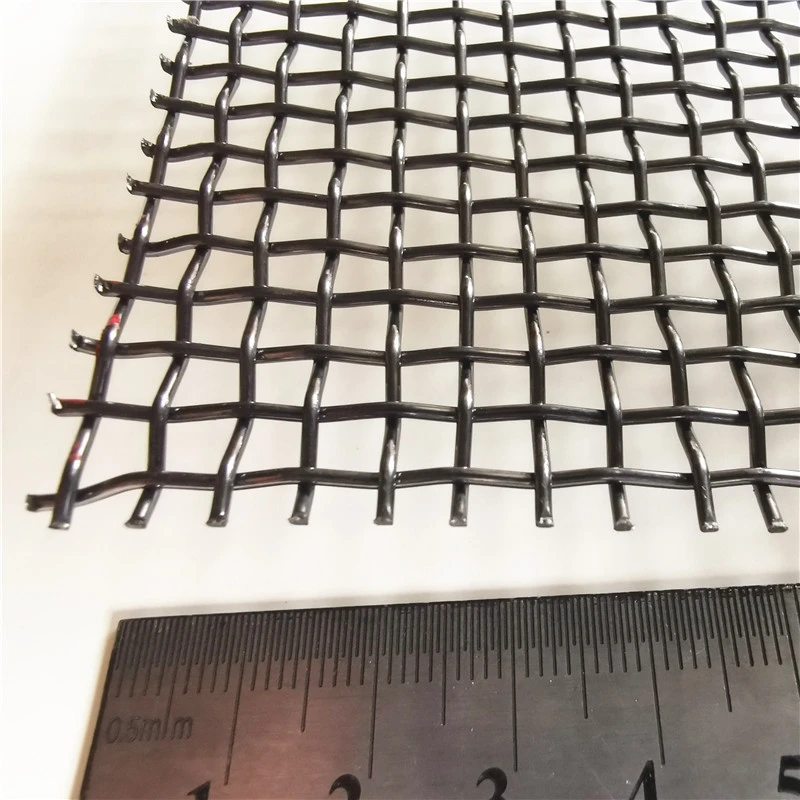
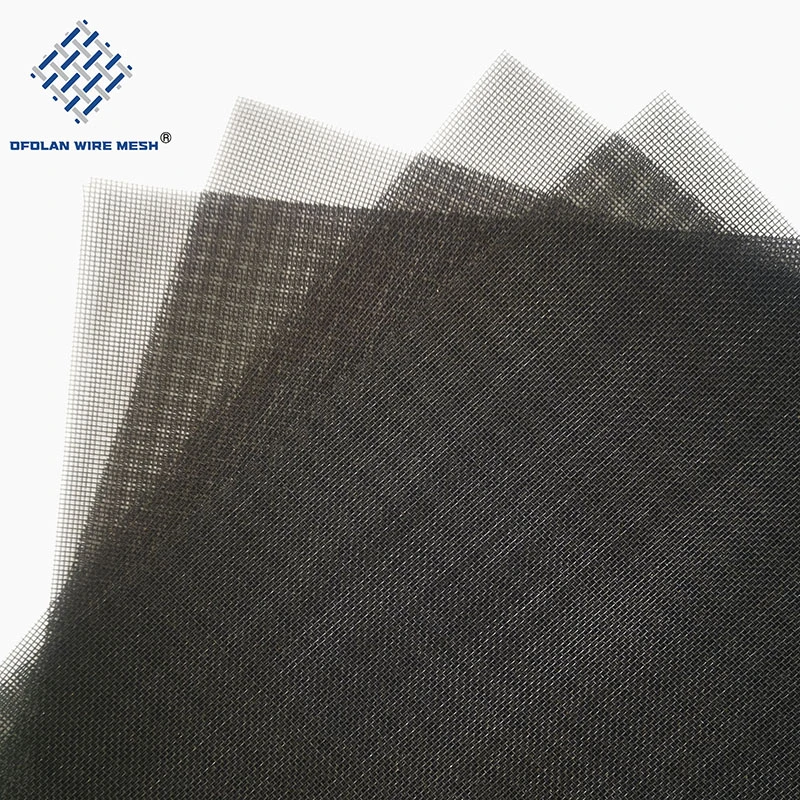
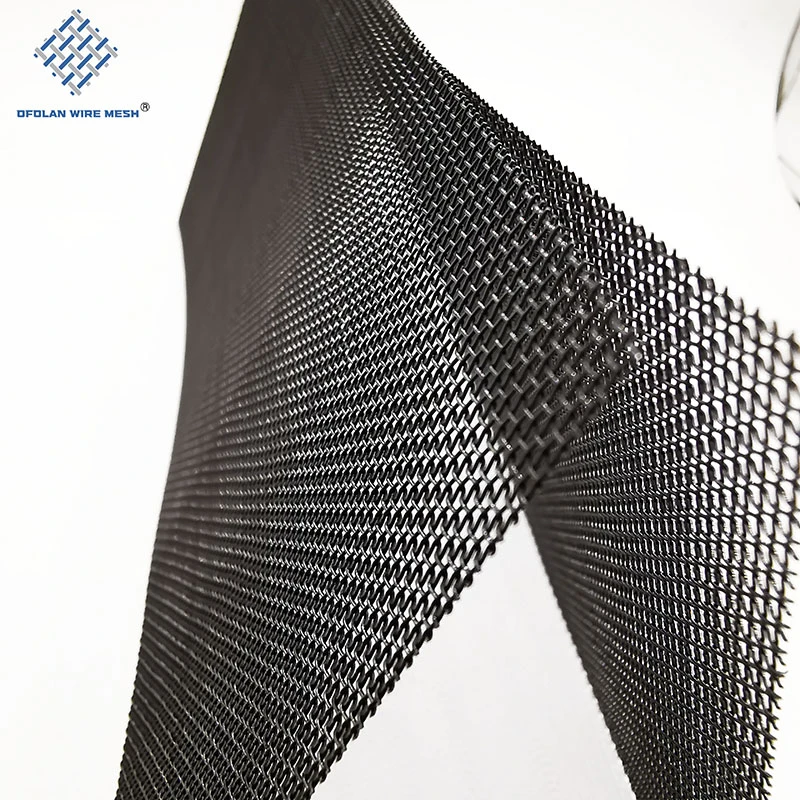
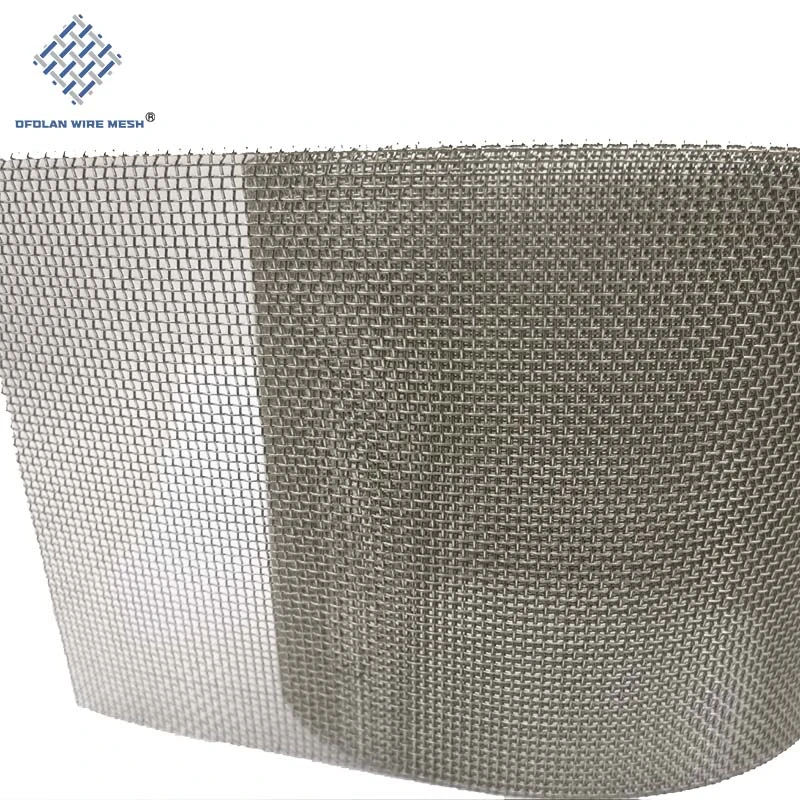
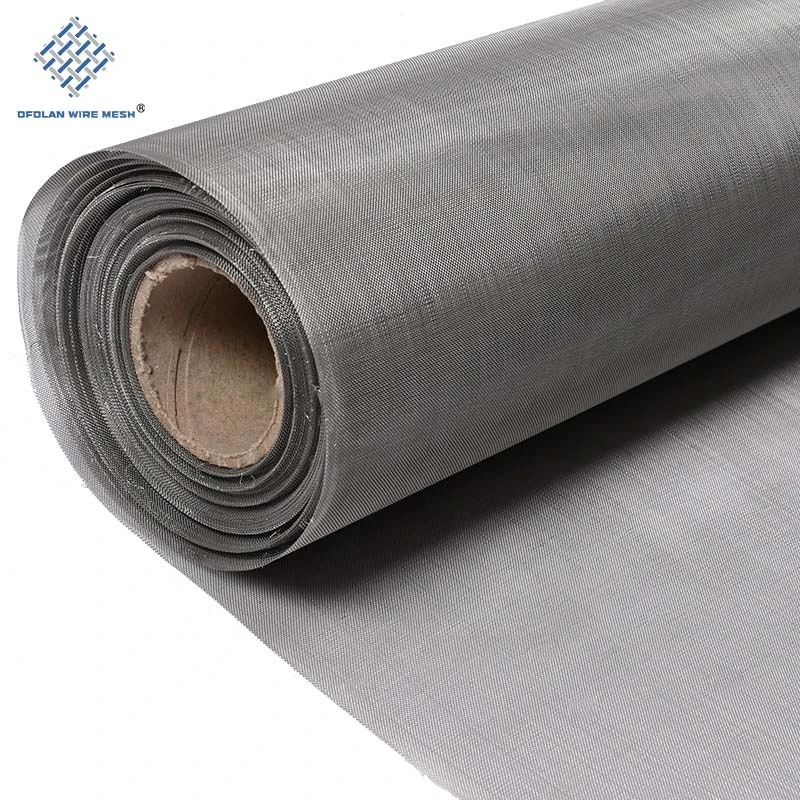
Low-Volatility Molybdenum Mesh for Vacuum Coating & Deposition Systems

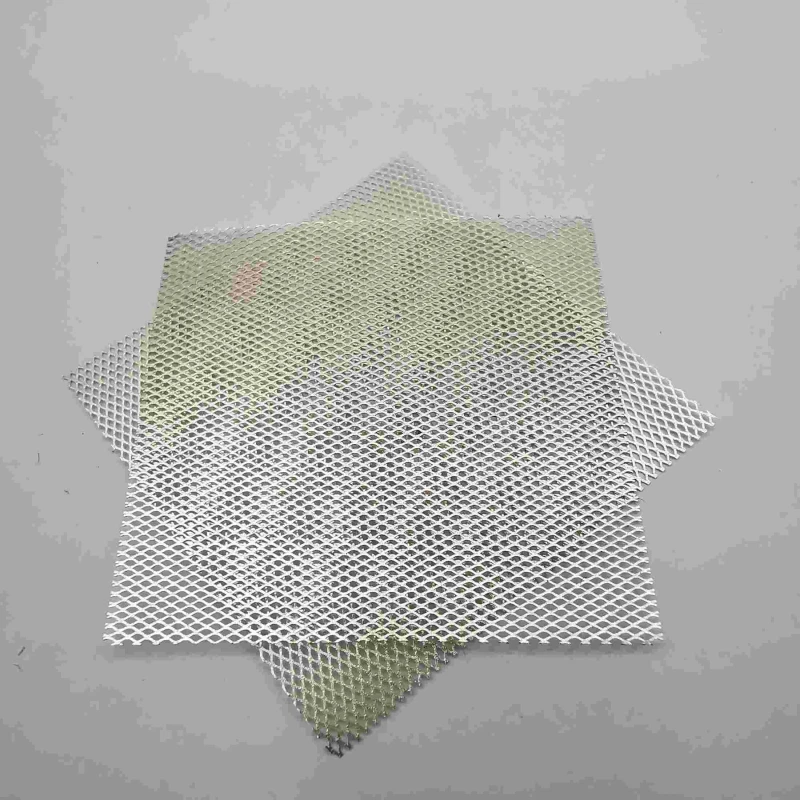
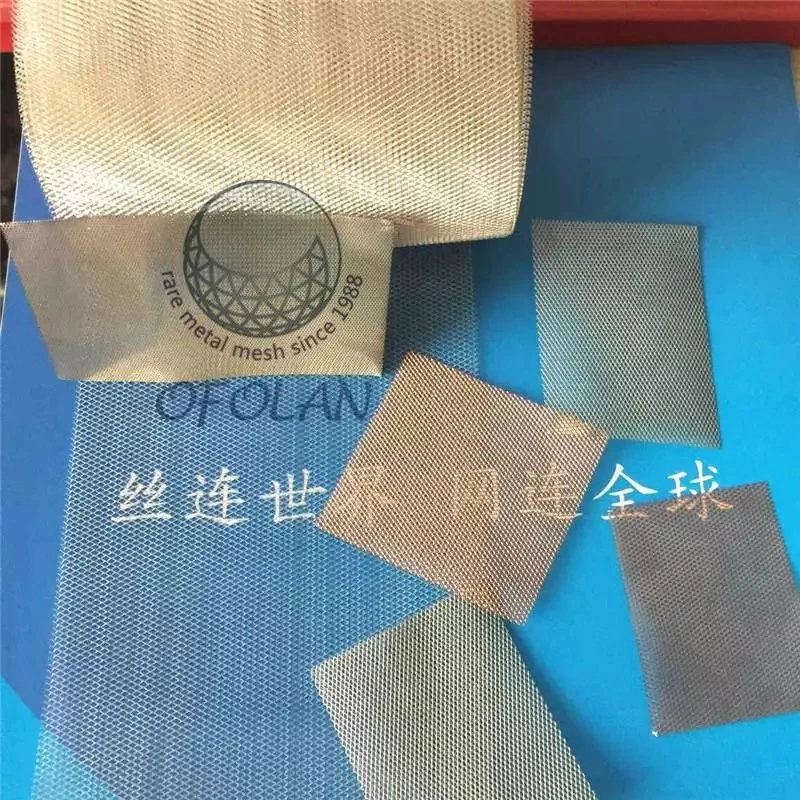
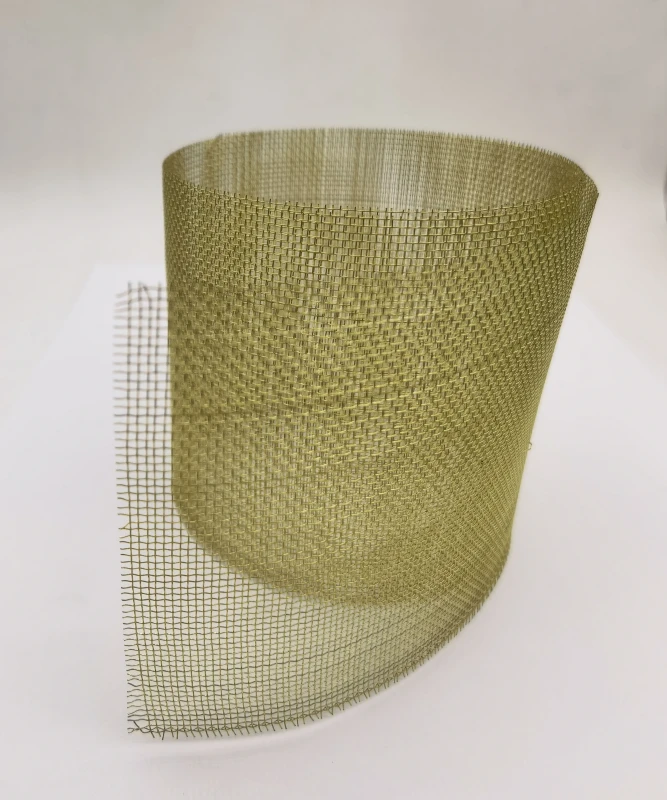

Reviews & Ratings
Product Name |
|
Model | MO1>99.95% Molybdenum Rhenium Alloy |
Density | 10.22 g/cm3 |
Melting Point | 2610 ℃ |
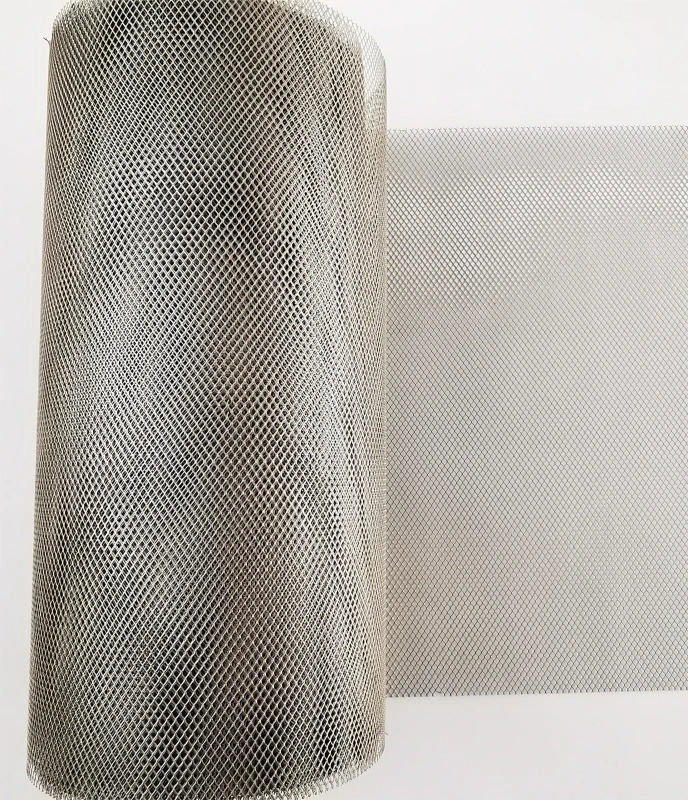
Characteristic | At room temperature, molybdenum mesh is stable in both air and water, and does not work on hydrochloric acid, hydrofluoric acid, dilute nitric acid, and alkaline solutions. 2. When used in a vacuum environment, uncoated molybdenum has a very long service life. Molybdenum is completely stable in pure hydrogen, argon, and helium. Molybdenum does not undergo a chemical reaction with hydrogen until its melting temperature. But when molybdenum is heated in hydrogen gas, it can absorb a portion of the hydrogen gas to form a solid solution. For example, at 1000 ℃, 100 grams of molybdenum metal can dissolve 0.5 cubic centimeters of hydrogen. The application of molybdenum mesh in many electric furnaces fully demonstrates this characteristic. Above 1500 ℃, molybdenum mesh reacts chemically with nitrogen to form nitrides. If the pressure of nitrogen is very low (about 0.01 mmHg), it cannot be seen even at 2400 ℃. Molybdenum mesh still exhibits considerable properties in carbon dioxide, ammonia, and nitrogen up to approximately 1100 ℃. At higher temperatures, nitride films may form on the surface of molybdenum mesh in ammonia and nitrogen gas. At temperatures above 1100 ℃, it can be carbonized by carbon containing gases such as hydrocarbons and carbon monoxide. |
Application | Molybdenum mesh is widely used in vacuum high-temperature furnace sintering of neodymium iron boron support mesh, as a connecting component in corrosion-resistant production, structural components working in high-temperature environments, heating elements, integrated circuits, gas filtration, aerospace, military and other fields. |
Contact Information | M. P:+86-13315865785 Email:estrellayue@ofolan.com WhatsApp:+86-13315865785 |
Frequently Bought Products

Product Queries (0)
Login Or Registerto submit your questions to seller
Other Questions
No none asked to seller yet
BaloTrade: A Global Marketplace for Real Business Growth

BaloTrade is a global eCommerce marketplace where individuals and businesses buy and sell products with ease. We connect sellers with customers across categories like fashion, electronics, beauty, and more. Our platform supports secure transactions, flexible payment options, and responsive support to make online selling and shopping simple and reliable. Whether you're opening an online store or looking for everyday deals, BaloTrade helps you grow and shop with confidence.